
Our Curriculum
Below is an overview of our curriculum, including the academic and exploratory learning that guides our K–2 program.
At Evergreen Crest Academy, our K–2 curriculum builds strong academic foundations through purposeful instruction and meaningful engagement with the natural world. Students learn by studying real environments throughout the Puget Sound region, strengthening core skills as they observe the world around them and document what they notice during field‑based work. As technology continues to advance—including the growing influence of AI—we introduce modern tools in careful, age‑appropriate ways that support learning while keeping real‑world exploration at the center. At a time when many AI‑driven schools rely on staff with limited classroom experience, Evergreen Crest Academy remains committed to certified educators who understand child development and effective classroom management. As our school expands, students will also examine how technology can promote sustainability and responsible innovation.
Mathematics
Students strengthen number sense and problem‑solving through guided instruction and hands‑on practice. They learn to apply mathematical thinking in real situations and build a solid foundation for future study.
Language Arts
Students build strong reading and writing skills through structured lessons that develop fluency, comprehension, and clear written expression. They learn to communicate ideas with confidence and purpose.
Social Studies
Students study history, community, culture, geography, and civic responsibility through age‑appropriate lessons that help them understand how people live, work, and care for shared spaces.
Science
Students explore scientific ideas through observation and investigation. They learn to ask meaningful questions, gather information, and form explanations based on evidence from the natural world.
Art
Students express ideas through drawing, painting, and mixed media. They respond to nature, classroom learning, and personal experiences while developing creative confidence and fine‑motor skills.
Music
Students explore musical concepts through singing and movement, along with age‑appropriate instrument play. They learn to listen with care and participate in group music‑making. As the program grows, students will also have opportunities to develop rhythmic skills through a dedicated drum line, giving them a strong foundation in coordinated performance and ensemble work.
Field Study (Exploratory Learning)
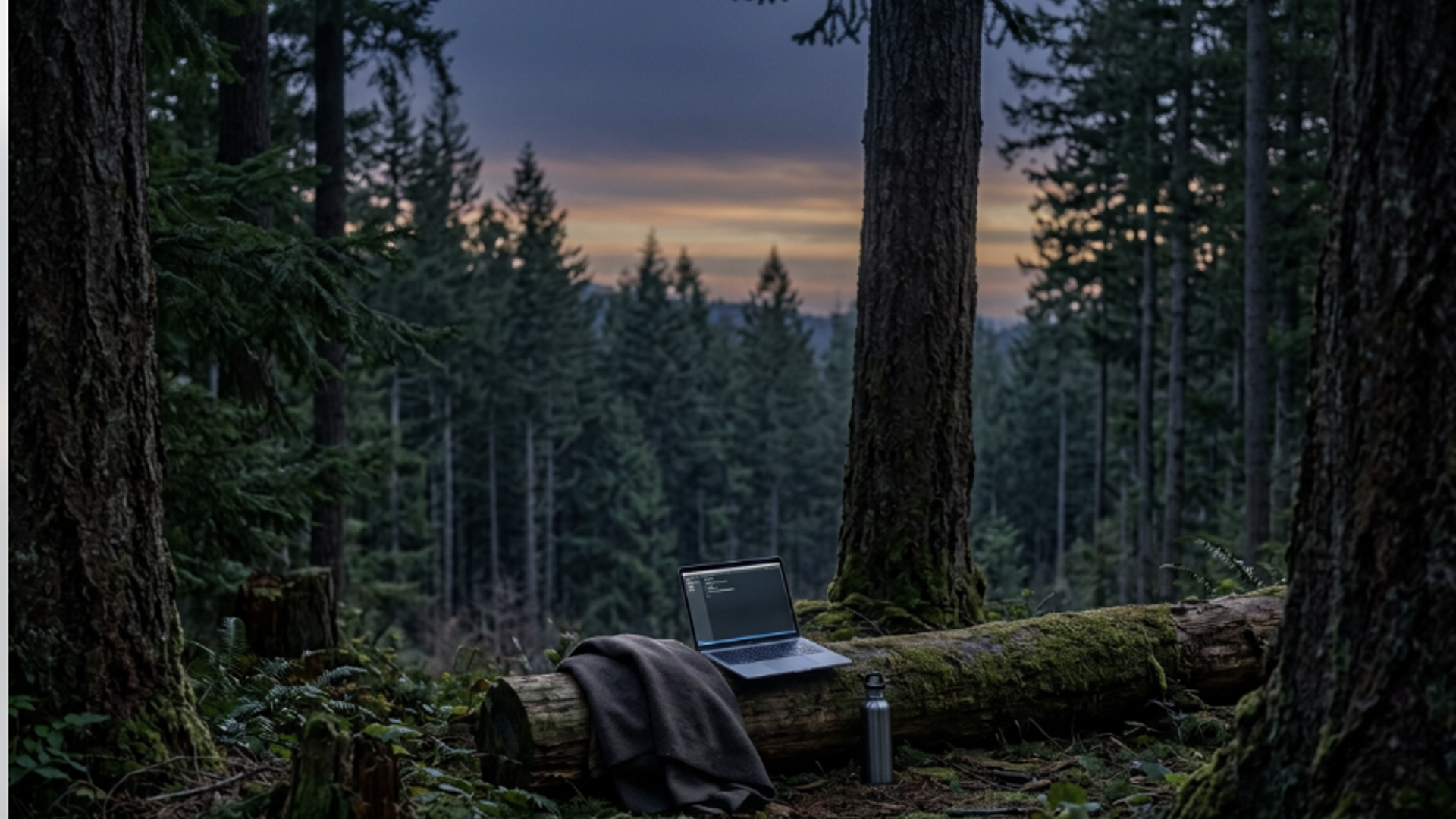
Our future students will learn outdoors in real environments throughout the Puget Sound region. They observe natural systems and document what they notice during direct experience in the field. Younger learners explore nearby parks, watersheds, and other accessible spaces to build early awareness of how local environments shape daily life. As technology and AI continue to expand, students begin to notice how these tools influence the world around them. Field Study gives them a grounded understanding of place and prepares them to think about how thoughtful design can protect the areas where people live, work, and learn.
Physical Education
Students build strength, coordination, and healthy movement habits through structured physical activity. They learn teamwork and the importance of staying active.
Health
Students learn about wellness, safety, nutrition, and emotional awareness through developmentally appropriate lessons that support healthy habits and positive choices.
Technology Foundations
Students engage with technology in careful, age‑appropriate ways that support learning without replacing real‑world exploration. They practice basic digital skills and begin to understand how tools—including emerging AI—shape the world around them.
Social -Emotional Learning (SEL)
Students build self-awareness and develop executive functioning skills through age-appropriate lessons and daily classroom practice. They learn to manage emotions, stay organized, make thoughtful decisions, and work cooperatively with others.
Sustainability & Future Innovation (Upper Grades Expansion)
As the school grows, older students will study how technology affects natural resources and community well‑being. They examine environmental challenges and work with real data to understand how AI systems, data centers, and other large projects reshape nearby regions. Students learn how innovation can support sustainable practices and help communities respond to changing demands on shared environments. This work encourages them to design solutions that protect both ecological health and community stability.