Why I Leave the Dandelions: A Small Act for Bumblebee Conservation
By: Mrs. Verango
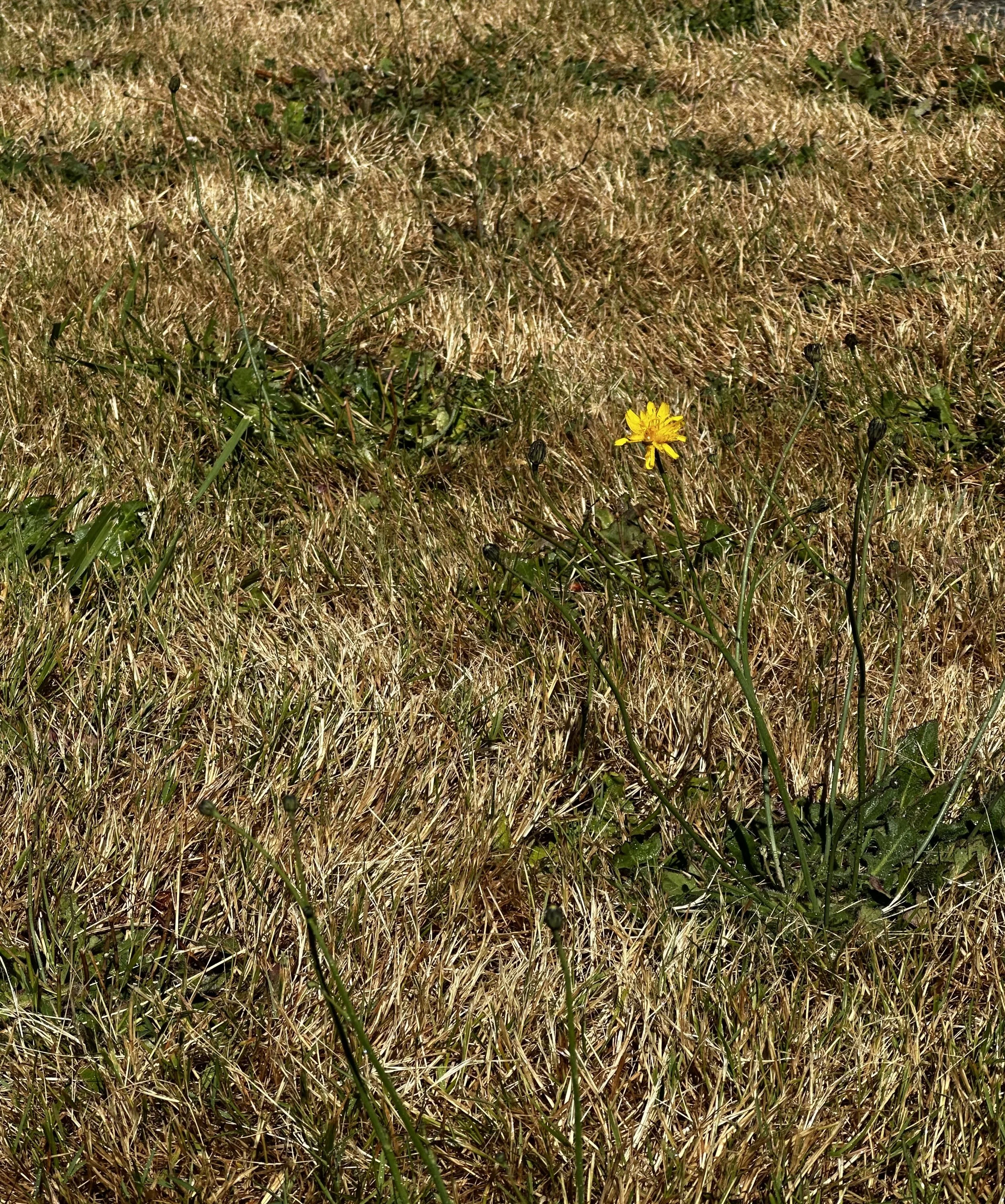
Each spring, my lawn turns bright yellow with dandelions. Many people see them as weeds, but I see them as an important food source for one of nature’s most valuable pollinators: the bumblebee.
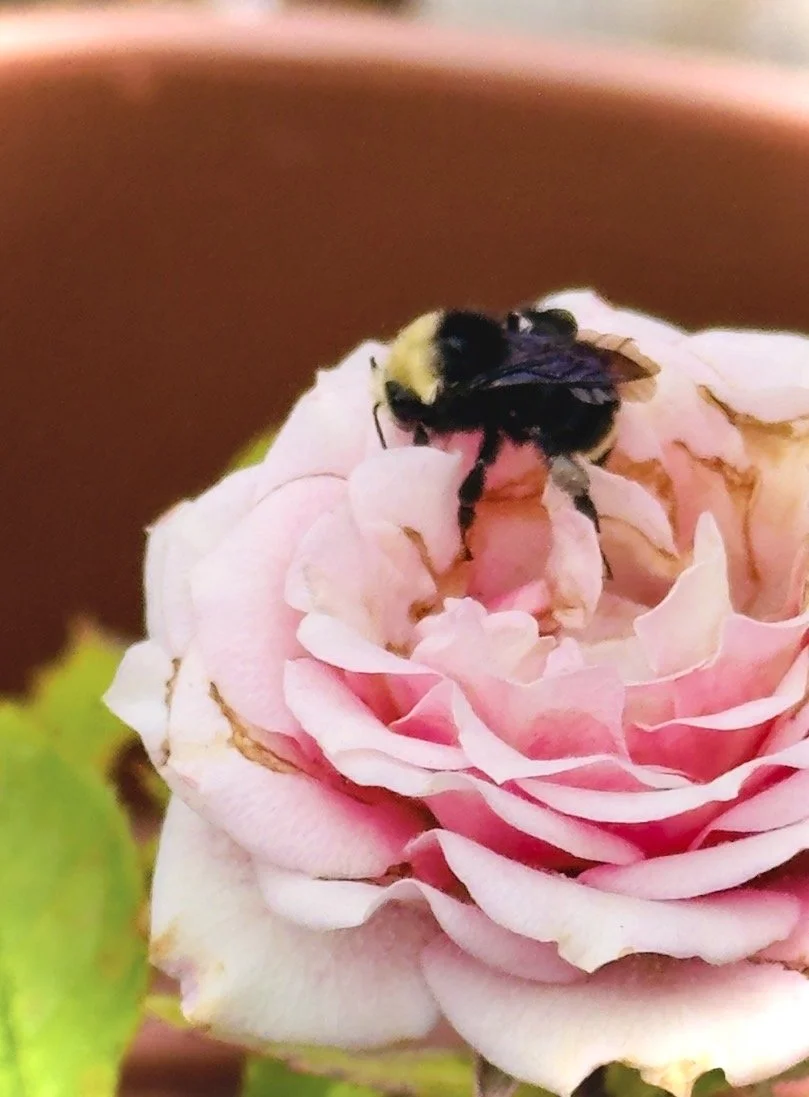
Bumblebee populations have been declining across North America for years. Scientists point to several causes, including habitat loss, pesticide use, diseases, and climate change. The Xerces Society, a leading pollinator conservation organization, reports that more than a quarter of North American bumblebee species are now at some level of extinction risk.
One reason bumblebees are vulnerable is that queen bees emerge early in spring, often before many flowers are blooming. After spending the winter in hibernation, these queens need nectar and pollen immediately to fuel the establishment of new colonies. Early-season food sources can therefore be critically important.
This is where dandelions come in.
Dandelions are among the earliest and most abundant flowers to bloom in many neighborhoods. They provide nectar and pollen at a time when food can be scarce for emerging pollinators. Research and extension programs note that bees and other pollinating insects regularly visit dandelions in spring and that they can be especially valuable in urban and suburban landscapes where few other flowers are available.
The science is nuanced. Some experts point out that dandelions are not necessarily the most nutritious pollen source available and that native spring wildflowers often provide greater ecological benefits. However, researchers agree that dandelions are far more beneficial to pollinators than a lawn consisting only of mowed grass. In areas with limited floral diversity, they can help fill an important early-season food gap.
That’s why I choose not to eliminate the dandelions in my yard. While leaving them alone may not single-handedly reverse bumblebee declines, it provides food for pollinators when they need it most. Combined with planting native flowers, reducing pesticide use, and creating diverse habitat, allowing dandelions to bloom is a simple way homeowners can support local bee populations.
In a world where pollinators face increasing challenges, sometimes the easiest conservation action is simply deciding not to wage war on every “weed” that appears in the lawn.
Evidence and Further Reading
Xerces Society – Bumble Bee Conservation
https://xerces.org/bumble-bees
University of New Hampshire Extension – Does Leaving Dandelions in My Lawn Benefit Pollinators?
https://extension.unh.edu/blog/2024/04/does-leaving-dandelions-my-lawn-benefit-pollinatorsUtah State University Extension – Factors Contributing to Bee Decline
https://extension.usu.edu/planthealth/research/factors-contributing-to-bee-decline.pdfUSGS – Climate Change and Pesticides Imperil a Once Common Pollinator
https://www.usgs.gov/news/national-news-release/climate-change-and-pesticides-imperil-a-once-common-pollinatorResources
Field Study Spotlight
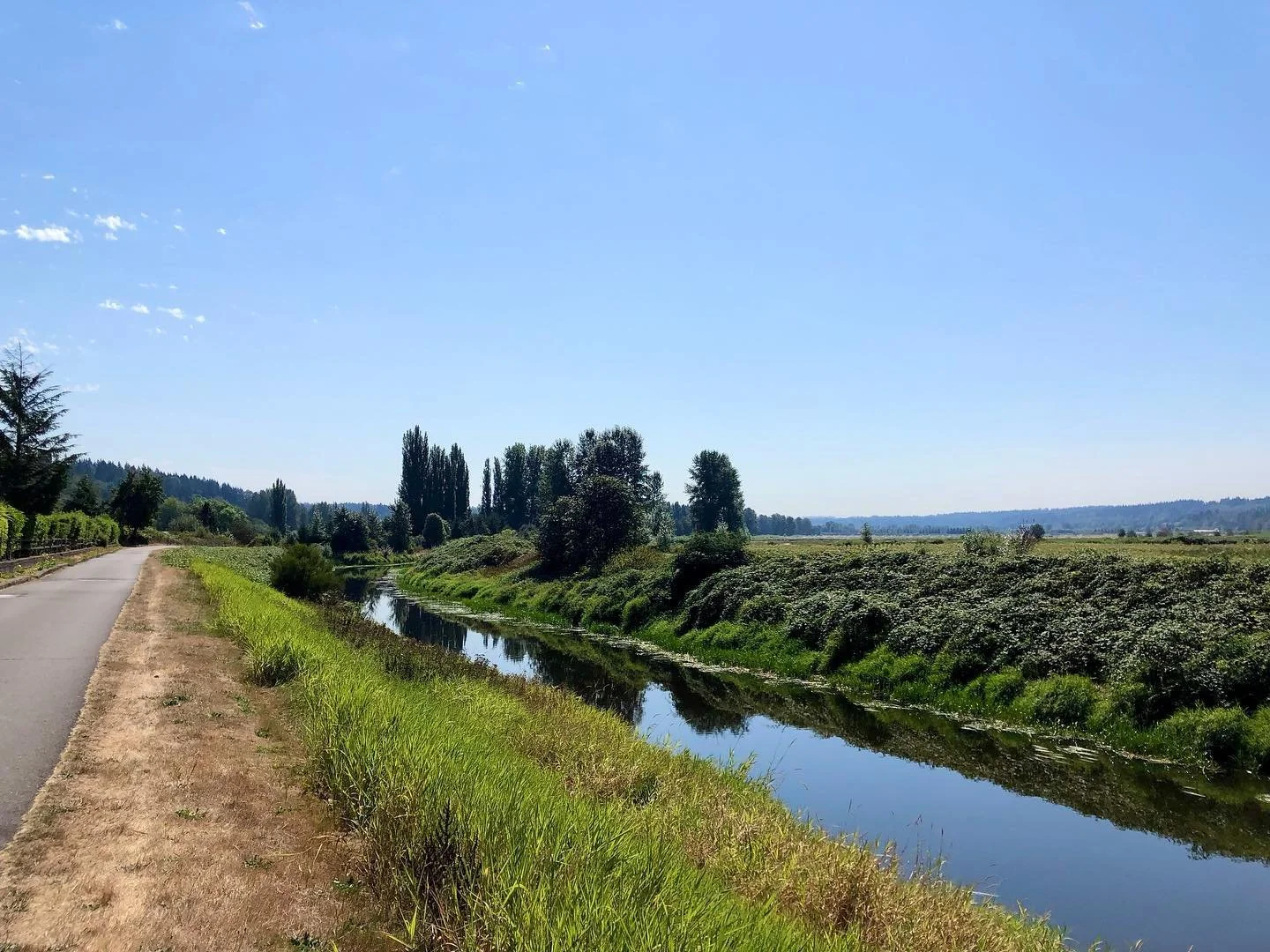
The Sammamish River Trail: Dandelions, Bumblebees, and the Plants Around Us
Grades 5–7 | Science • ELA • Math
Teachers: Mrs. Verango and Ms. Hirose
Evergreen Crest Academy – Sammamish River Trail Field Study Outing
Driving Question: Can a common "weed" help pollinators, and how do scientists gather evidence to find out?
Many people think of dandelions as weeds, but bumblebees and other pollinators often visit them for nectar and pollen. Scientists have found that bumblebees face challenges such as habitat loss, pesticide exposure, disease, and climate-related changes. Early-blooming flowers can provide important food sources for pollinators in spring.
During our field study, students became scientists, writers, and mathematicians as they investigated the natural world around them.
Science: Observe and Investigate
Essential Question: Do pollinators visit dandelions and other flowering plants?
Students will:
Observe flowers along the Sammamish River Trail or in their own neighborhoods.
Look for bees, butterflies, and other pollinators.
Identify whether plants are native, introduced, or invasive using field guides or identification apps.
Record evidence in a field journal.
Student Task
Spend 5 minutes observing a flowering plant and record:
Plant name (if known)
Native or introduced?
Number of pollinators observed
Weather conditions
Questions or wonderings
Think Like a Scientist
What evidence suggests that this plant helps pollinators?
ELA: Writing From Evidence
Essential Question: Should people leave dandelions in their yards?
Students will write a short opinion piece using the Claim-Evidence-Reasoning format.
Claim: What do you think?
Evidence: What did you observe? What did you learn from research?
Reasoning: How does your evidence support your claim?
Sample Prompt: Should homeowners leave dandelions growing in their lawns to support pollinators? Students support their ideas using field observations and scientific evidence. This helps them learn how scientists communicate findings and persuade others using facts.
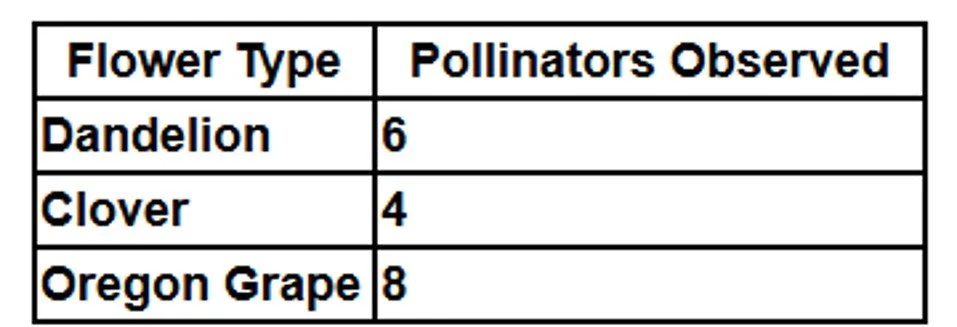
Math: Using Data to Tell a Story
Essential Question: Which flowers attract the most pollinators?
Students collect and organize field data.
Example:
Students will:
Count observations
Create bar graphs
Compare totals
Calculate differences
Look for patterns
Discussion Questions:
Which flower attracted the most pollinators?
How many more pollinators visited one flower than another?
Does the data support your hypothesis?
Connecting It All Together
At Evergreen Crest Academy, learning extends beyond the classroom.
Our students use:
Science to investigate the natural world.
ELA to communicate ideas clearly using evidence.
Math to analyze data and identify patterns.
By combining these subjects during authentic field experiences, students learn to ask meaningful questions, gather evidence, and develop informed conclusions about the world around them.
Big Idea: A simple dandelion can become the starting point for scientific discovery, mathematical thinking, and powerful writing. 🌼🐝📓📊
Evergreen Crest Academy students don't just learn about nature—they learn from it.